Race sponsorships and expos for running stores
By The Segments team
THE SHORT ANSWER
A running store should sponsor races that bring registered runners through its door. Ask for packet pickup in the store before cash logos, then a mention in the race's emails and an expo booth. Measure each race with a race-only discount code, pickup day traffic and the count of new customer names captured.
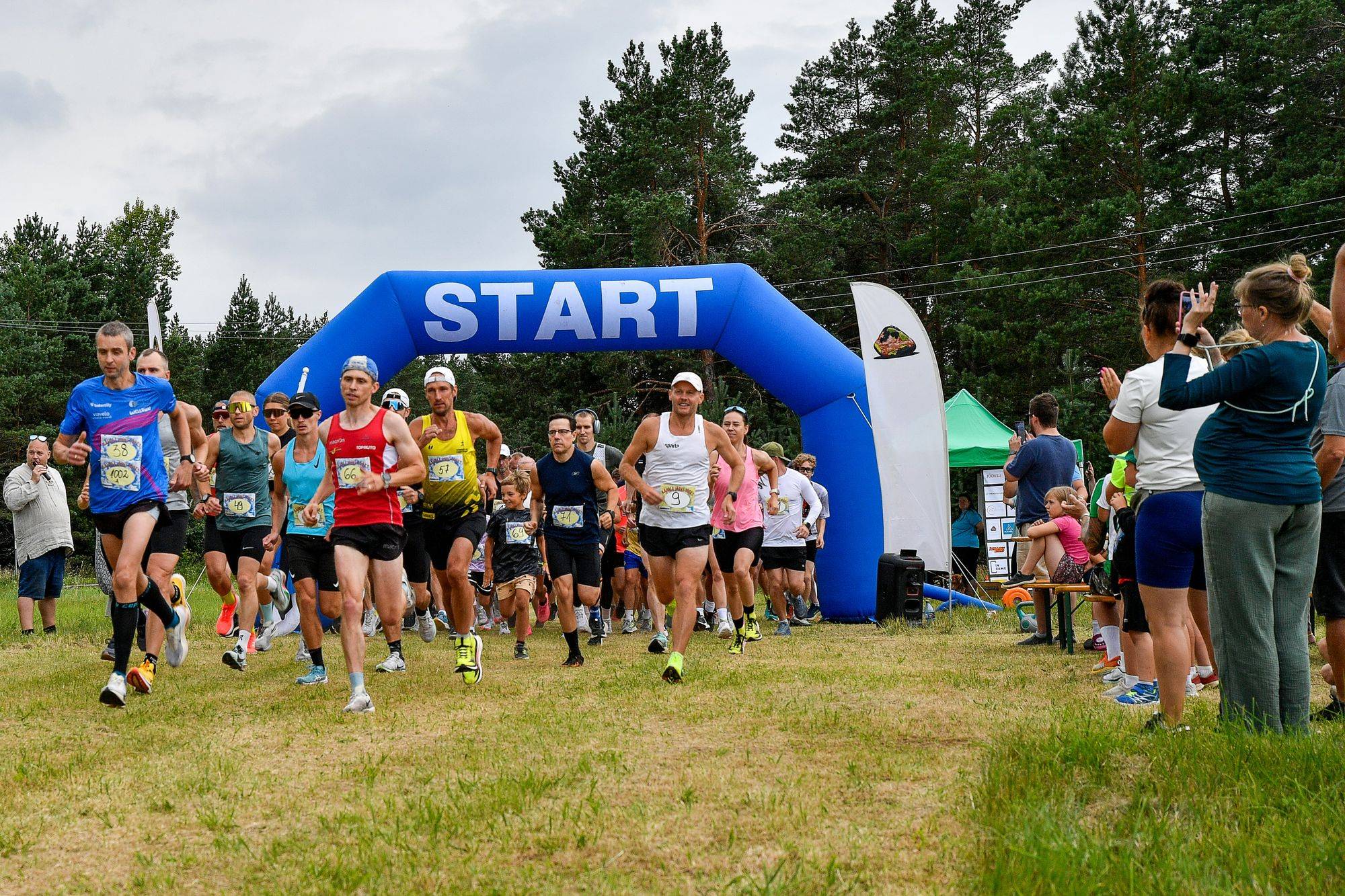
This guide is for running stores sponsoring races. If you’re a runner looking for a sponsorship, see the FAQ below, then go meet your local store at its group run.
What is a race expo?
A race expo is the event where runners pick up their bib and race packet before a race, usually the day or two before. Bigger races add vendor booths, brand displays, nutrition samples and talks. Smaller races may skip the expo and hold packet pickup at a running store.
For a store, both are the same opportunity: every registered runner has to show up somewhere before race day. Your job is to make that somewhere your store, or your booth.
Why should a running store sponsor races?
Because races gather your customers in one place on a known date, and they plan their training, shoes and race week around it. Race participation is moving the right way too. Running USA’s report on 2025’s top races found growth across all major race distances, including the 5K, 10K, half marathon and marathon, and RunSignup’s list of the 100 largest US road races found the average race on that list grew 6.5% in 2025.
A sponsorship also puts you next to the people runners already trust: the race director, the local club, the pacers. A big box or Amazon can’t buy that.
What should I ask for in a race sponsorship?
If you’re working out how to sponsor a local race, start with what you get, not the price. Many races sell tiers: title or presenting sponsor, gold, silver, and smaller in-kind spots. Ask for these, in order:
- Packet pickup in your store. Every registered runner walks in, often with a friend. Ask for the full pickup window, not a single evening.
- A mention in the race’s own emails. Race emails reach every registrant. Ask for your name, a line about fit sessions, and your race code in the pre-race emails.
- An expo booth, if there’s an expo. Ask for a spot near packet pickup, not in a back corner.
- Your logo on the shirt, bib, website and finish area. Nice to have, last on the list.
- A training group. Offer to run the official training group for the race out of your store.
- Pace teams or a cheer station. Your staff and run club in store shirts, on course.
Sponsorship tiers: what each one is usually worth to a store
| What you get | Brings runners in? | Can you measure it? | Priority |
|---|---|---|---|
| Packet pickup in store | Yes, every registrant | Yes: door count, sales, new names | Ask first |
| Mention in race emails with your code | Sometimes | Yes: code redemptions | Ask second |
| Expo booth | At the expo, not the store | Yes: sales, names, fit bookings | Ask if there’s an expo |
| Official training group | Yes, every week for months | Yes: sign ups, sales from members | Offer it |
| Logo on shirt and finish area | No | No | Only if it’s free with the above |
| Cash only title sponsorship | Depends on what comes with it | Only if it includes the above | Negotiate for the above |
If you can only afford one thing, take packet pickup.
How do I know if a race sponsorship worked?
Decide before race week what you’ll count, or you’ll end up guessing. Three numbers are enough.
- A race-only discount code. Create a code just for this race and put it in the race emails, the packet and the expo booth. Shopify lets customers redeem discount codes online and in person with Shopify POS, and the Sales by discount report shows how often each code was used.
- Packet pickup traffic. Count people through the door during pickup and compare sales with the same days last year, or with a normal week.
- New customer names. Count customers added during pickup and the expo who weren’t in your system before. In Shopify POS, staff add the customer to the cart by name or email. This is the number that keeps paying after race day.
| Measure | How to get it | When to check |
|---|---|---|
| Code redemptions | Shopify Sales by discount report | Race week and 30 days after |
| Pickup day sales | Shopify sales by day and location | Pickup days against last year |
| New customer names | Customers created during pickup and expo | The week after the race |
| Fit appointments booked | Your booking tool or a paper list | 30 days after |
Write the three numbers next to what you paid. That’s your decision for next year.
How do I plan a race expo booth?
Treat the booth as a small store with a fit station, not a sale table. The best race expo booth ideas all come back to that: let runners try shoes on, and leave with your name.
Booth size and layout
Expos sell booths in set sizes, with bigger spaces going to top sponsors. Check the expo’s sponsor packet for what’s included: table, power, carpet, wifi. Plan the space in three zones:
- Fit station at the front: a bench, a measuring device and one fitter who only fits.
- Wall behind: your best sellers in a deep size run, plus demo shoes.
- Checkout and sign up at the side, so the line doesn’t block the fit.
What to bring
| Item | Why |
|---|---|
| Deep size run in your 2 or 3 best sellers | Runners buy what they can try on in their size |
| Demo shoes from your reps | Lets runners feel a new model without you holding stock |
| Race week essentials: socks, gels, anti-chafe, hats, sunglasses | Easy sales from runners who forgot something |
| Card readers, charged, plus spare power | A dead reader costs you the rush |
| Inventory list by size | Staff can promise a size from the store when the booth is out |
| Sign up sheet or tablet for names and emails | Your measurement, and your next customers |
| Cards with your race code and fit session booking | Something to take home |
| Store banner and staff shirts | People find you in a crowded hall |
Who to staff
Bring your best fitters, not your newest hires. Expo crowds come in waves, so plan for the peak (usually the evening before a morning race). One person on checkout, one on fit, one on the wall and names.
Never fit someone into a brand new model the day before a marathon without saying so. Tell them to race in what they trained in and come back next week. That honesty sells more shoes than the sale.
How do I work with brand reps on race sponsorships?
Bring your reps in before you sign, not after. Brands care about races too, and a rep may help with things a store can’t buy alone.
What to ask your rep for:
- Demo shoes or a demo van at the expo or packet pickup.
- Co-op funds toward the sponsorship or the ads around it.
- Product for the race, such as prizes or pacer gear.
- A rep or tech at the booth on the busiest night.
Co-op and demo programs vary by brand and by account, so ask your rep what applies to you. How brand co-op works explains the paperwork most brands want afterward: proof of the activity, what it cost and what it sold.
Send the rep a short recap within 30 days: the race, what you spent, code redemptions, new names and the brand’s sales during race week. That recap makes next year’s ask easier.
Which races should a running store sponsor?
Not every race. Pick the ones whose runners need what you sell and who will come to your store. Use this table to score each race you’re asked to sponsor.
| Question | Good sign | Bad sign |
|---|---|---|
| Who runs it? | Local runners, training for months | Mostly travelers or one-time walkers |
| How far is it from your store? | Within your normal customer area | Across the metro or out of state |
| Will they give you packet pickup? | Yes, in your store | No, held at a venue |
| Will the race email your code? | Yes | Logo only |
| Is there a training period? | 12 or more weeks of training before race day | Sign up the week before |
| Does it fit your stock? | Road race you’re stocked for, or trail you carry | A race type you don’t serve |
| Can your rep help? | Demo shoes or co-op available | Nothing from brands |
As a starting point, a single store can usually do one big local race well each season, plus a few smaller community 5Ks in kind (product or packet pickup, not cash). Grow from there once you have the numbers from your first one.
When should I start planning a race sponsorship?
Earlier than you think. Races lock sponsors months out, and training groups need to start 12 to 20 weeks before a half or full marathon. For fall marathon season, talk to race directors in late winter or spring. For spring races, start in the fall.
Put the races into your seasonal calendar. The 12-week marketing plan includes a calendar by season. For the weeks between races, in-store events and run clubs keep runners coming in.
Around race week, runners search the shoes they plan to buy. Our Fill the Store service connects local inventory ads so those shoes show as in stock at your store, and Segments HQ can build and pace a brand-funded Shopping campaign around each store for the weeks before race day.
Questions owners ask
How much does it cost to sponsor a local race?
It varies widely by race size and town, and many races accept product, gift cards or services instead of cash. Ask the race director for their sponsor packet, then offer what you can deliver well, such as packet pickup, a training group or a pace team, before agreeing to a cash fee.
How do runners get a running sponsorship from a store?
Stores rarely pay runners. More often they support local runners with discounts, ambassador programs or race entries in return for leading group runs and talking about the store. Ask your local store's manager directly, and show up to their run club first.
What should a running store bring to a race expo?
Bring a deep size run in your two or three best sellers, a simple fit station, demo shoes from your reps, race week essentials like socks, gels and anti-chafe, a card reader with spare power, and a way to capture names and emails.
Is a race expo booth worth it for a small running store?
It can be, if the race brings your kind of runner and you capture names. A booth that only sells socks at a discount rarely pays. A booth that books fit appointments, sells race week essentials and collects contacts for the store often does.
See how your store shows up.
The free Storefront Report grades your store on Google, in AI answers, in reviews and in ads, door by door.