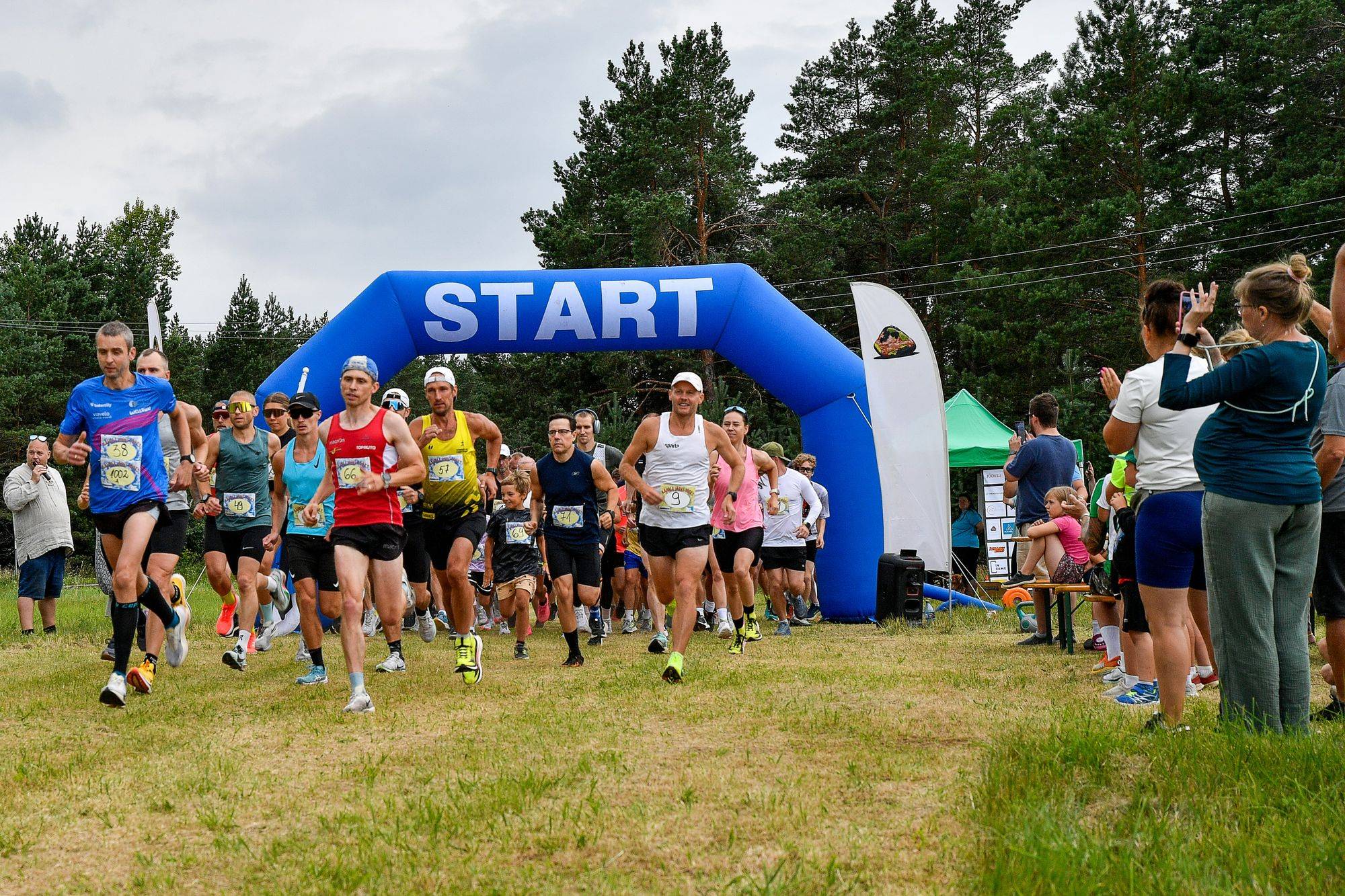
In-store events and run clubs that bring runners in
By The Segments team
THE SHORT ANSWER
The events that bring runners into a running store are the ones that repeat: a weekly run club that starts and ends at the store, brand demo nights with reps, training groups for goal races, and fit clinics. Promote each on your Google Business Profile, take RSVPs, and measure sales and new names from attendees.

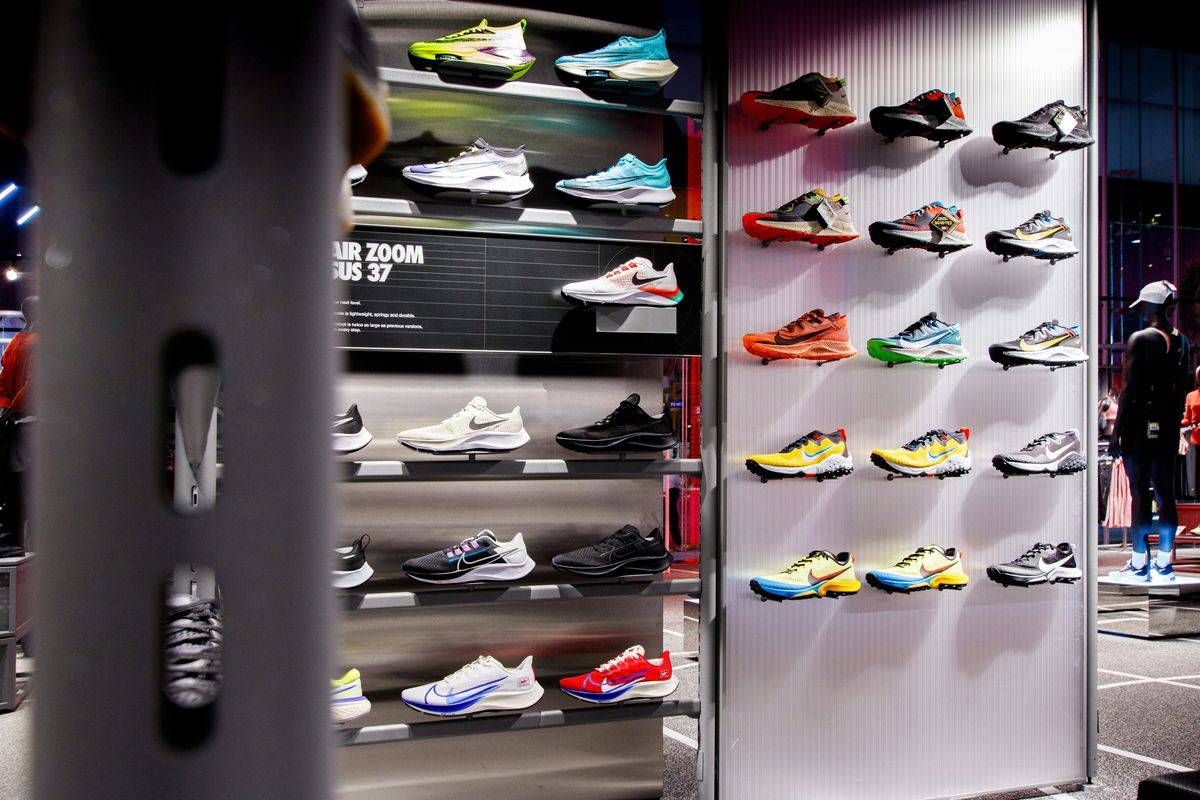
In-store events work because running is social and fit is personal. Get runners through the door on a regular schedule and the shoe wall does the rest.
Which running store events are worth the effort?
The ones that repeat, bring in runners who buy, and can be measured. Here’s how the common types compare.
| Event type | Effort | Who to invite | What to measure |
|---|---|---|---|
| Weekly run club | Low once it’s running | Everyone: regulars, new runners, staff | Attendance, new names, run club night sales |
| Brand demo night | Medium | Run club, recent buyers of that brand, the rep | Demo shoe sales that night and the next 2 weeks |
| Training group for a goal race | High (8 to 20 weeks) | Runners registered for the race, beginners | Sign ups, sales from members during the program |
| Gait and fit clinic | Medium | New runners, injured runners, walkers | Fit appointments booked, shoe sales |
| Beginner 5K program | High | Walkers, new runners, New Year starters | Sign ups, beginner shoe sales, finishers who stay |
| Walking group | Low | Walkers, older customers, people coming back from injury | Attendance, walking shoe sales |
| Trail day | Medium | Trail runners, hikers, run club | Trail shoe and hydration sales |
| Launch or race week party | Medium | Run club, race registrants, local clubs | Sales that night, new names |
Start with the run club. Add one other type per season.
How do I start a run club at a running store?
A run club costs little and brings the same runners in every week. They bring friends.
- Pick one day and time and never move it. Runners build habits around a fixed slot. A weeknight evening that finishes while the store is open lets people shop after.
- Map two routes from the door. A shorter loop and a longer one, on safe, lit roads or paths. Post them on a printed map and on your website.
- Set pace groups. At least a faster group, a conversational group and a walk or run group. Assign a staff member or a trusted regular to lead each, and make sure nobody runs alone at the back.
- Sort out liability before the first run. Ask your insurance agent what your liability policy covers for group runs and whether they want a waiver. If you use one, have an attorney review it. This guide isn’t legal advice.
- Take names on the way in. A sign in sheet or a tablet at the door. This is your attendance count and your list of members.
- Give them a reason to stay after. Water, a short talk from staff, a new shoe to try, a member discount that night.
- Post it everywhere it’ll be seen. Your Google Business Profile, your website, a sign on the door and the register.
Expect it to take a few months to build. Show up every week, even when three people come.
How do I keep a run club growing?
Add a second club at a different time or pace once the first one is steady. Celebrate milestones: first 5K finishers, anniversaries, a member’s first marathon. Rotate a “shoe of the month” from your reps so there’s always something new on the wall.
How do I run a shoe demo night with a brand rep?
A demo night is a group run where everyone runs in demo shoes from one brand, then comes back to the store.
- Book the rep early. A month or more out, with a date and your expected turnout.
- Confirm the demo shoes cover your run club’s sizes. A demo night with only common sizes leaves half the room watching.
- Stock the wall. Make sure you have the demoed model in a full size run, so runners who like it can buy it that night.
- Promote it two weeks out. Business Profile, website, run club, and recent buyers of that brand who you have names for.
- Run it like run club, plus a fitting. Check in, fit into demos, run the short loop, return the shoes, talk with the rep.
- Count the sales. That night and the following two weeks, for the demoed model.
Ask the rep what they can bring beyond shoes: a tech talk, prizes, help with co-op toward promoting the event. Terms vary by brand, so ask what applies to your account. How brand co-op works covers how co-op claims usually work.
How do training groups for goal races work?
A training group prepares runners for one race over several weeks. Half and full marathon groups often run 12 to 20 weeks, and beginner 5K groups are shorter.
What you need:
- A goal race with a date, ideally one you sponsor or partner with. See race sponsorships and expos.
- A coach or experienced leader for each pace group.
- A weekly schedule: one or two group runs from the store, plus a long run day.
- A sign up and fee or a free model, your choice. Many stores charge a fee that includes a shirt and a discount.
- Store touchpoints built in: a fit check at the start, a talk on shoes and rotation mid program, a nutrition talk before race week.
A training group puts the same runners in your store for months, right when they’re wearing out shoes and buying race gear.
What is a gait or fit clinic?
A clinic is a scheduled session where runners come in to have their gait and fit looked at, often with a short talk on choosing shoes. It’s your fit process, turned into an event.
Run it on a quiet weekday evening. Invite new runners, people coming back from injury and walkers. Book them in time slots so every runner gets a real fit, which usually takes 20 to 40 minutes.
Never diagnose injuries. If a runner describes pain, suggest they see a physical therapist or sports medicine doctor, and keep a list of local ones you trust.
What community events go beyond run club?
Not every customer wants a weeknight 5-mile run. These bring in people your run club misses.
- Walking groups. Daytime or early evening, slower pace, social. Walkers buy shoes too, and they replace them.
- Trail days. A group trip to the nearest trail system, with trail demo shoes. Good in summer and early fall.
- Beginner 5K programs. A few weeks of walk and run intervals ending at a local 5K. A good fit for New Year starters.
- Race week shakeout runs. An easy run from the store the day before a big local race, often paired with packet pickup. Add a cheer station on course and a finisher celebration back at the store, and your store is tied to the race people trained months for.
- Talks and clinics. Nutrition, strength for runners, injury prevention, led by local physical therapists or coaches.
- Social runs. Holiday themed runs, a coffee run, a run that ends at a local brewery or cafe partner.
Match events to the season. The seasonal calendar in the 12-week marketing plan shows when each type fits best.
How do I promote events on Google Business Profile?
Your Business Profile can carry posts that show on Google Search and Maps. Google offers three post types: updates, offers and events.
- Event posts take a title, start and end dates, and times. If you leave out the times, Google shows the event as lasting 24 hours on those dates.
- Offer posts need a title, dates and time. Use them for a demo night discount or a run club member offer.
- Update posts work for a weekly run club reminder.
Posts older than 6 months are archived unless a date range is set, per Google’s post help page. Don’t put phone numbers or email addresses in the post text: Google’s posts content policy says posts with unverified contact details may be removed, and suggests a Call now button instead.
Post each event two weeks out with a good photo from a past event. For the rest of your profile, see the Business Profile checklist.
How do I take RSVPs?
Use one simple sign up link per event, on your website or a free form tool, and put it in the Business Profile post, on your site and at the register. Ask for name and email only. RSVPs tell you how many demo shoes, coaches or chairs you need, and they give you the names for measurement.
How do I measure which events bring sales?
Count the same three things for every event, and keep them in one sheet.
- Attendance and new names. Sign in at the door. Note who isn’t already a customer. In Shopify POS, staff add the customer to the cart by name or email at checkout, so later purchases tie back to a person.
- Sales that night. Shopify sales for the event window, against the same weeknight in a normal week.
- Event code redemptions. A unique discount code per event. Shopify lets customers redeem codes online and in person with Shopify POS, and the Sales by discount report shows how often each code was used.
| Event | Attendance | New names | Sales that night | Code uses | Repeat? |
|---|---|---|---|---|---|
| Example: run club, first Tuesday | |||||
| Example: brand demo night | |||||
| Example: beginner 5K kickoff |
Check again 30 days later: did attendees come back and buy? Keep events that bring new names and repeat sales. Drop the ones that only bring the same five regulars for free pizza.
When an event is tied to a brand launch, our Fill the Store service connects local inventory ads so the demoed shoes show as in stock at your store on Google, and Segments HQ can build and pace a brand-funded Shopping campaign around each store for the launch weeks.
Questions owners ask
Do I need a waiver for a store run club?
Many stores use one, but the right answer depends on your state, your insurance policy and how the club is run. Ask your insurance agent what your liability policy covers for group runs, and have an attorney review any waiver before you use it.
What day is best for a running store run club?
Pick the evening or early morning that fits your town and your store hours, then never move it. Many stores choose a weeknight so runners finish while the store is still open. Consistency matters more than the day itself.
How do I get brand reps to come to a demo night?
Ask early, ideally a month or more out, and make it easy: give a date, expected turnout, your group run route and what you'll promote. Reps say yes to stores that fill the room and send a short recap afterward with attendance and sales.
Should run club members get a discount?
A modest member discount on run club nights is common and gives people a reason to shop after the run. Use a separate discount code so you can see what the club actually sells, and keep it simple enough that staff apply it the same way every time.
See how your store shows up.
The free Storefront Report grades your store on Google, in AI answers, in reviews and in ads, door by door.